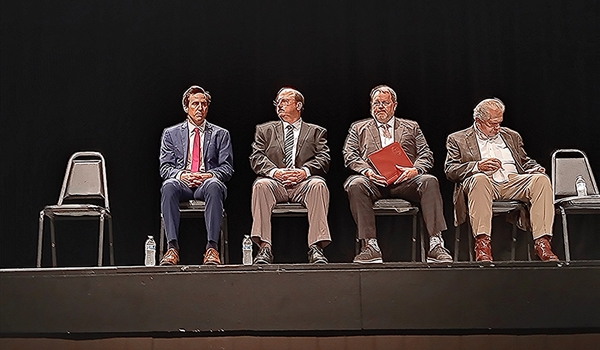
TALLADEGA, Ala. – Four state senators and representatives whose districts include Talladega County gathered at the Ritz Theater in Talladega this past week for a town hall focused on the recently completed legislative session. Rep. Barbara Boyd was invited but did not respond.
The event was co-sponsored by the three Chambers of Commerce in Talladega County. Each legislator was given a brief period to discuss his or her “take on the legislative session.” We will publish a series of stories focusing on each legislator individually.
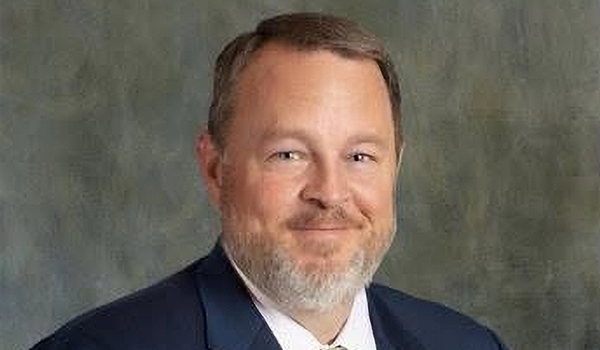
State Sen. Lance Bell
Bell focused on the 11 bills he filed during the session, saying ten received approval from both chambers.
He detailed several of the measures, beginning with a bill that would establish rules prohibiting non-English speakers from obtaining over-the-road commercial trucking licenses, along with an enforcement database intended to save lives.
“We simply cannot have such big rig drivers on our roads, unable to read and understand traffic laws and signs. It is dangerous,” Bell said.
Another of Bell’s bills promotes interstate cooperation in the region. He also passed legislation to update and improve the system for background checks for educators and people serving in other public positions. The goal, he said, is to keep the information continually updated and accessible while preventing its abuse.
Bell’s “Attempting to Elude” bill includes enhancements that automatically make the offense a felony, with tougher sentencing enhancements for repeat offenders.
He also addressed difficulties in enforcing protection orders, emphasizing the need for communication and cooperation among jurisdictions as an important safeguard for the people those orders are intended to protect.
Another high-profile measure requires data centers to pay their own way, with enforcement placed in the hands of an expanded and revamped Public Service Commission.
During the question-and-answer portion of the event, Bell said the Legislature is still attempting to “figure out” how to regulate data centers. He added that much of that responsibility will fall to the Public Service Commission.
“First, this issue is developing as we speak today, and we only meet once a year to deal with budgets as a priority, and whatever else we can accomplish by reaching a consensus,” Bell said. “That is never an easy thing to find, consensus.”
On the subject of Flock cameras, Bell said he sees a need to restrict the availability of collected data to law enforcement while establishing safeguards to discourage abuse and ensure violations are addressed.
“It is a balancing act involving a lot of issues, including public privacy,” he said.
Regarding rural hospitals and other medical facilities, Bell said the reimbursement process for Medicaid and Medicare patient services is too restrictive and places those facilities in a dangerous financial position.
Up next will be Sen. Keith Kelly.