

CHILDERSBURG, Ala. – WorldAtlas is an educational resource website that offers original maps and articles about the world, including topics beyond geography. One of those topics is the “10 Most Beautiful Historic Towns In Alabama” which includes the fascinating history of Childersburg.
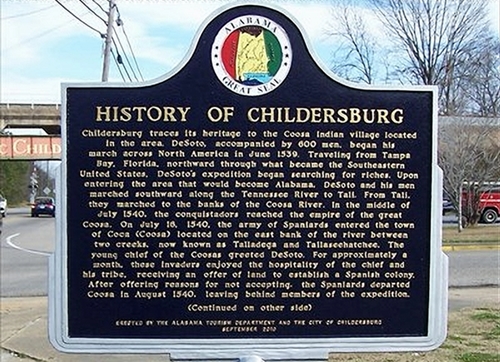
Childersburg was incorporated in 1889, but it also lays claim to being the oldest occupied settlement in America – dating back to 1540 – when a Spanish exploration team led by Hernando de Soto was believed to have discovered a large Native American trade area along what is now called the Coosa River.
Hernando de Soto is said to have left behind 60 to 75 men to establish trade there before the rest proceeded with the first extensive European exploration of what is now known as the United States. That settlement was called “Cosa” by the Spaniards.
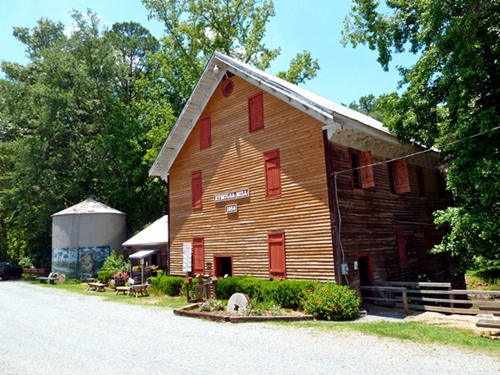
Today, the town is home to so many historical landmarks that are evidence of its distant past.
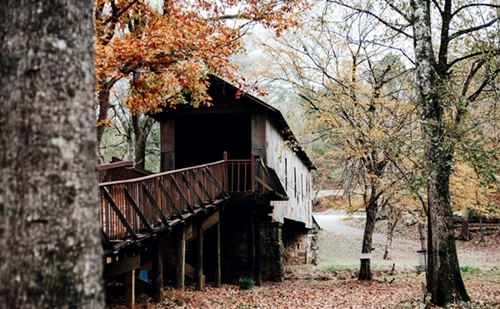
The Kymulga Grist Mill Park is one such landmark where visitors can tour one of the oldest running grist mills in Alabama, which was built in 1864. The park is also home to the Kymulga Bridge, which was also built in the 1860s adjacent to the bridge. Both are listed on the National Registry of Historic Places.
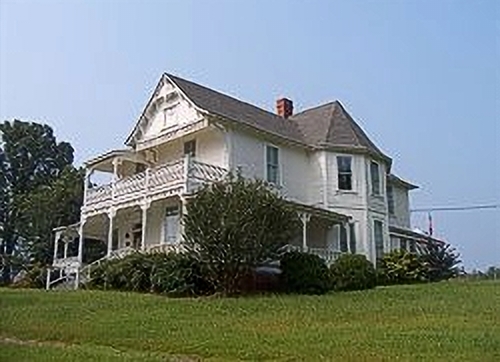
They are joined on that prestigious list by the Butler-Harris Rainwater House, which serves as an event center and museum, home to artifacts representing Childersburg’s long history.
WorldAtlas also tells readers of Majestic Caverns, once known as DeSoto Caverns, with its own storied history.
Childersburg’s history also includes the Alabama Ordinance Works, which played several vital roles during World War II. That facility’s history includes development of “heavy water” as part of the, top secret at the time, Manhattan Project that created the atom bombs detonated to end the war against Japan.


